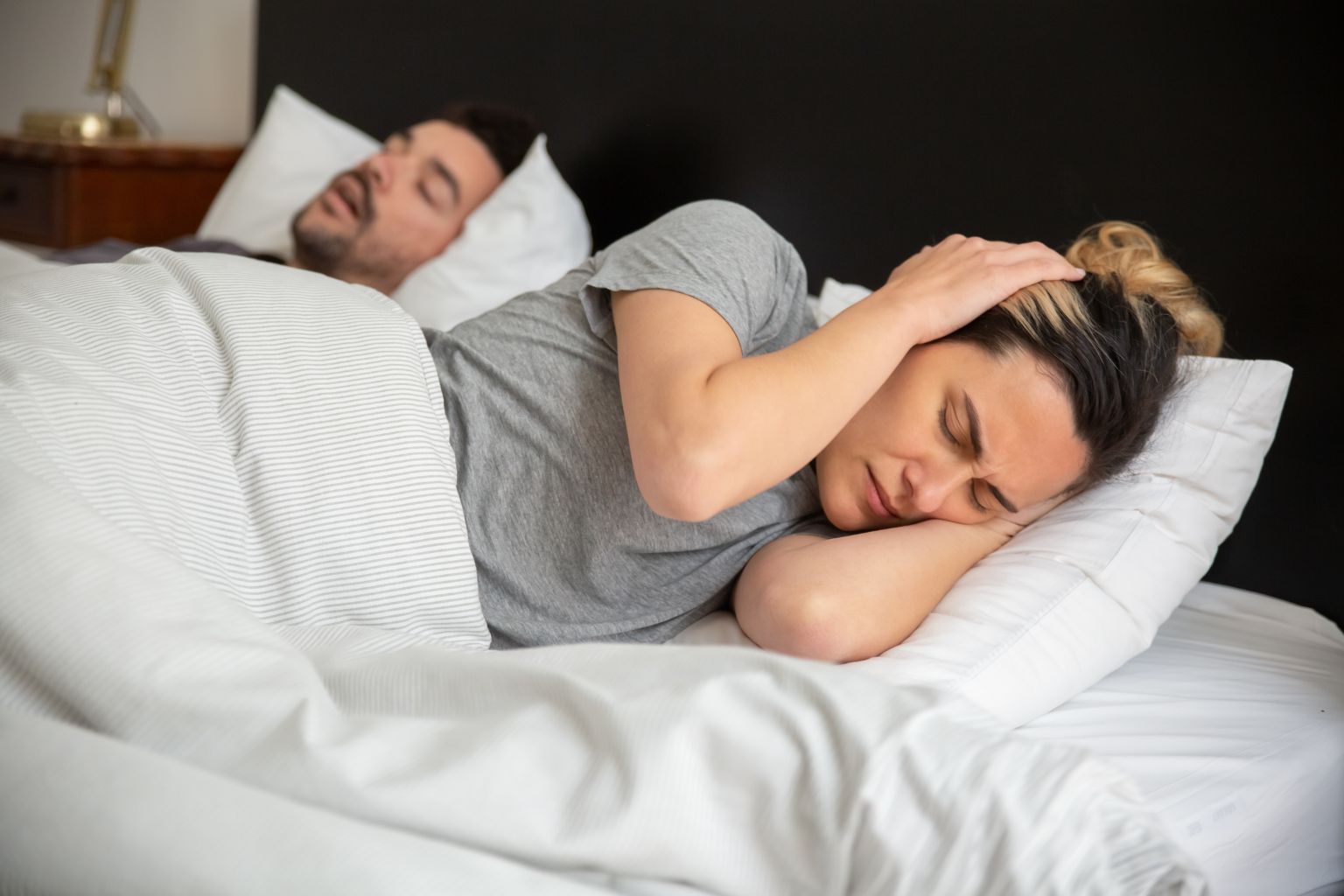
You nudge your partner awake at 2 a.m. They swear they weren’t snoring. You know otherwise. Or maybe you’re the one who wakes up exhausted, headachy, and wondering why eight hours of sleep never feel like enough. If this sounds familiar, you’re not alone, and more importantly, you don’t have to just live with it.
Snoring affects an estimated 90 million Americans, but it’s rarely talked about in a dental office. At Dental Healing Arts, we believe the mouth is a gateway to whole-body health — and that includes your airway. What’s happening in your throat while you sleep has everything to do with how you feel when you’re awake.
What’s Actually Causing Your Snoring
Snoring happens when airflow is partially obstructed during sleep. As you drift off, the muscles in your throat and soft palate relax. If those tissues are loose or excess tissue is present, they vibrate as air moves past — that’s the sound you (or your partner) know all too well.
Several factors can make snoring worse:
- Lax oral and throat tissue — the most common culprit, and the one we can directly address
- Nasal congestion or structural issues — allergies, a deviated septum, or chronic inflammation
- Sleep position — sleeping on your back causes the tongue to fall back, narrowing the airway
- Weight — excess tissue around the neck adds pressure on the airway
- Alcohol and sedatives — both cause deeper muscle relaxation, amplifying the problem
But here’s what many people don’t realize: snoring can also be a signal of obstructive sleep apnea (OSA), a condition where the airway collapses completely during sleep — sometimes hundreds of times per night. This isn’t just a sleep quality issue. Untreated sleep apnea is linked to high blood pressure, heart disease, cognitive decline, and metabolic dysfunction. It deserves to be taken seriously.
Why Most Solutions Fall Short
CPAP machines are the gold standard for diagnosed sleep apnea, and for good reason — they work. But compliance is notoriously low. The mask is uncomfortable, the machine is loud, and many people abandon it within the first year. Oral appliances are a better-tolerated alternative for some, but they require precise fitting, can cause jaw discomfort, and don’t address the underlying tissue laxity.
Over-the-counter remedies — nasal strips, throat sprays, chin straps — offer modest, temporary relief at best. Surgical options exist but come with recovery time, cost, and the risks inherent to any procedure under general anesthesia.
Most of these approaches manage the symptom without treating the root cause: loose, vibrating tissue in the soft palate and throat.
A Holistic Approach to Your Airway
At Dental Healing Arts, we look at snoring the same way we approach every health concern by asking what’s driving it, not just how to suppress it. That means considering your full health picture: your sleep habits, diet, stress levels, nasal health, and oral structure.
Sometimes snoring responds to lifestyle changes: reducing inflammatory foods, addressing environmental allergies, or working with a sleep specialist. We collaborate with other practitioners and never pretend one tool fixes everything.
But for many patients, the most effective intervention is treating the tissue itself. That’s where the Fotona Laser comes in.
Fotona NightLase: Laser Snoring Treatment That Actually Makes Sense
The Fotona NightLase treatment is one of the most exciting advances in airway dentistry, and it aligns perfectly with our holistic philosophy: it’s non-invasive, drug-free, and works with your body rather than against it.
Here’s how it works. Using the Fotona laser, we deliver gentle pulses of laser energy to the soft tissues of your oral mucosa (the soft palate and the back of the throat). This controlled heat stimulates collagen production and causes the tissue to tighten and firm up. The result is a more open, more stable airway during sleep, and significantly less snoring.
What makes NightLase stand out:
- No surgery, no anesthesia — the procedure is performed right in our office with no downtime
- No devices to wear — patients love not having to manage a CPAP or oral appliance every night
- No drugs or chemicals — it’s purely a light-based, biostimulatory treatment
- Comfortable — most patients describe a warm sensation; many find it relaxing
- Cumulative results — a typical course is three sessions over six weeks, with effects lasting up to a year or more
Clinical studies have shown that NightLase reduces snoring intensity and frequency significantly, with many patients and their partners reporting dramatic improvement after the first session. For patients with mild to moderate sleep apnea (confirmed by a sleep study), it can also reduce apnea episodes, though it’s not a replacement for a CPAP in severe cases.
What to Expect at Dental Healing Arts
If you’re curious whether the Fotona Laser is right for you, it starts with a conversation. We’ll review your symptoms, your health history, and — if you haven’t had one — we may recommend a sleep study to get a clearer picture of what’s happening while you sleep.
If NightLase is a good fit, each session takes about 20 minutes. You can drive yourself home, return to work, and go about your day normally. There’s no healing period, no special diet, no post-care routine.
Most patients notice improvement after the first session, with the best results coming after completing the full series. We’ll check in with you along the way and discuss whether maintenance sessions make sense for your long-term airway health.
Better Sleep Is Worth Pursuing
Chronic snoring isn’t just an inconvenience to the people who love you — it’s your body telling you something about your health. You don’t have to accept exhaustion, strained sleep, or the complications that come with an untreated airway problem.
Dental Healing Arts offers a smarter, gentler path forward. If you or someone you love is struggling with snoring, we’d love to talk.
Schedule a consultation today and find out if Fotona NightLase is right for you: 561-626-6116