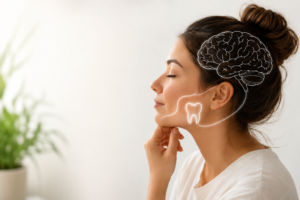
How Your Smile Impacts Your Mood, Confidence, Stress Levels, and Overall Well-Being
When people think about oral health, they usually think about cavities, cleanings, or having a beautiful smile. But what many don’t realize is that oral health and mental health are deeply connected.
Your mouth is not separate from the rest of your body, and it certainly isn’t separate from your emotional well-being. In fact, research continues to show that poor oral health can contribute to anxiety, depression, low self-esteem, chronic stress, and even social isolation. At the same time, mental health challenges can make it harder to maintain healthy dental habits, creating a cycle that affects both physical and emotional wellness.
At Dental Healing Arts, we believe dentistry should support the whole person — not just teeth and gums. Understanding the connection between mental and oral health is one more way we can care for your overall well-being.
The Mouth-Body-Mind Connection
Your oral health is closely linked to the nervous system, immune system, inflammation levels, and even your brain chemistry. When your mouth is unhealthy, your body experiences increased inflammation and stress. This can affect mood, sleep, energy levels, and emotional resilience. Likewise, when someone is struggling emotionally, everyday dental care often becomes more difficult.
Stress, anxiety, burnout, trauma, and depression can all influence:
- Brushing and flossing habits
- Teeth grinding or jaw clenching
- Dry mouth
- Sugar cravings
- Gum disease
- Inflammation
- Avoidance of dental visits
- Chronic jaw pain or TMJ issues
This relationship works both ways. And for many people, the effects go far beyond the mouth (1).
How Oral Health and Mental Health are Connected
1. Dental Problems Can Lower Self-Confidence
Your smile plays a major role in how you communicate and connect with others.
When someone feels embarrassed about stained teeth, missing teeth, bad breath, or visible dental issues, it can deeply impact confidence and self-image.
Many people begin to:
- Avoid smiling
- Cover their mouth when speaking
- Withdraw socially
- Avoid photos
- Feel self-conscious in professional settings
- Experience increased anxiety in relationships
Over time, this can contribute to feelings of isolation, insecurity, and even depression.
A healthy smile isn’t only cosmetic — it can help people feel more comfortable, expressive, and emotionally connected.
2. Chronic Oral Pain Increases Stress & Anxiety
Tooth pain, gum inflammation, jaw tension, and untreated dental issues can place the body in a constant state of stress.
When pain becomes chronic, the nervous system stays activated.
This can lead to:
- Increased cortisol (stress hormone) levels
- Sleep disturbances
- Irritability
- Fatigue
- Anxiety
- Difficulty concentrating
- Emotional overwhelm
Many people don’t realize how much unresolved dental discomfort may be affecting their daily mood and mental clarity.
Relieving oral pain often improves far more than physical comfort — it can create a noticeable shift in emotional wellness too.
3. Gum Disease & Inflammation May Affect Brain Health
Emerging research suggests that chronic inflammation in the mouth may be connected to broader health concerns, including mental and cognitive health.
Gum disease creates inflammatory responses throughout the body. Scientists are continuing to study links between oral inflammation and conditions like:
- Depression
- Anxiety
- Cognitive decline
- Heart disease
- Chronic fatigue
While oral health alone does not cause mental illness, inflammation is increasingly recognized as an important factor in overall wellness.
Reducing inflammation through good dental care may support both physical and emotional health.
4. Oral Health Issues Can Lead to Social Isolation
Humans are naturally social beings.
When someone feels uncomfortable speaking, smiling, or being close to others because of oral health concerns, it can affect relationships and emotional connection.
People experiencing severe dental anxiety or embarrassment often postpone treatment for years, which can increase feelings of shame and avoidance.
Unfortunately, the longer treatment is delayed, the more overwhelming it may begin to feel.
This is why compassionate, judgment-free dental care matters so much.
How Mental Health Can Affect Oral Health
The connection between oral health and mental health goes both ways.
Mental health challenges can significantly impact oral care routines and physical dental health.
Depression & Oral Care
Depression can reduce motivation and energy, making daily tasks feel difficult.
For some people, brushing, flossing, scheduling appointments, or maintaining routines becomes overwhelming.
This may lead to:
- Increased plaque buildup
- Cavities
- Gum disease
- Neglected dental issues
Anxiety & Teeth Grinding
Stress and anxiety commonly show up physically in the jaw.
Many people clench or grind their teeth unconsciously — especially during sleep.
This can cause:
- Worn enamel
- Tooth fractures
- Jaw pain
- Headaches
- TMJ dysfunction
- Facial tension
Often, patients don’t even realize they are grinding until symptoms appear.
Stress & Dry Mouth
Chronic stress and certain medications used for anxiety or depression may reduce saliva production.
Saliva is essential for:
- Neutralizing acids
- Protecting enamel
- Preventing bacteria buildup
- Supporting digestion
Dry mouth increases the risk of:
- Cavities
- Bad breath
- Gum disease
- Oral infections
Why Compassionate Dental Care Matters
For many people, dental visits themselves can trigger stress or anxiety.
Some patients have experienced:
- Fear from past dental experiences
- Shame about delayed treatment
- Anxiety around pain or procedures
- Sensory overwhelm
- Trauma responses
At Dental Healing Arts, we believe dental care should feel safe, supportive, and empowering.
Whole-person dentistry means recognizing that emotional comfort matters too.
A calm, compassionate environment can help patients:
- Feel more relaxed during visits
- Rebuild trust in dental care
- Reduce anxiety around treatment
- Feel supported instead of judged
- Take healthier steps for long-term wellness
Your emotional experience matters.
Small Habits That Support Both Oral and Mental Health
Sometimes the smallest routines create the biggest impact.
Here are a few simple habits that can support both your smile and your emotional wellness:
Prioritize Daily Oral Care
Brushing and flossing are small acts of self-care that support your overall health.
Consistency matters more than perfection.
Stay Hydrated
Drinking enough water supports saliva production, energy levels, and overall wellness.
Reduce Chronic Stress
Stress management can benefit both your nervous system and your oral health.
Helpful practices may include:
- Breathwork
- Meditation
- Exercise
- Better sleep
- Therapy or counseling
- Mindfulness practices
Don’t Ignore Dental Symptoms
Persistent jaw pain, bleeding gums, tooth sensitivity, or chronic bad breath should not be ignored.
Addressing issues early often prevents bigger physical and emotional stress later.
Keep Regular Dental Visits
Preventive care supports long-term health and helps reduce the anxiety that can come from avoiding treatment.
Whole-Body Wellness Starts With Care
Oral health and mental health are more connected than most people realize.
A healthy smile can influence confidence, comfort, relationships, stress levels, and overall quality of life.
And caring for your emotional well-being can positively impact your dental health too.
At Dental Healing Arts, we believe healing happens when care is compassionate, personalized, and centered around the whole person.
Because your smile is not just about teeth.
It’s connected to how you feel.